

Table of Contents
ToggleUnderstanding the Role of Interior Demolition in Construction Planning
Brand new buildings are seldom used as a starting point of construction works. Most of them start with the already existing structures, which need to be carefully altered before the process of renovating or replacing the structures starts. It is that initial phase that will either make a project proceed smoothly or delay it.
Thoughtful preparation becomes important when working with interior demolition in Bridgeview, IL. Most business and residential properties have complicated designs with old utility systems and components that have to be strongly considered prior to the commencement of the removal process.
Demolition planning is aimed at a controlled demolition as opposed to destruction. To act as familiar with the connections between the building and its elements, crews will look into the walls, ceilings, and internal structures. This prevents structural instability as the space is left ready to be constructed by the construction teams.
Why Property Owners Begin with Selective Demolition?
Demolition does not necessarily imply the destruction of everything. Selective removal is usually found in most of the renovation projects in order to retain the useful part of a building.
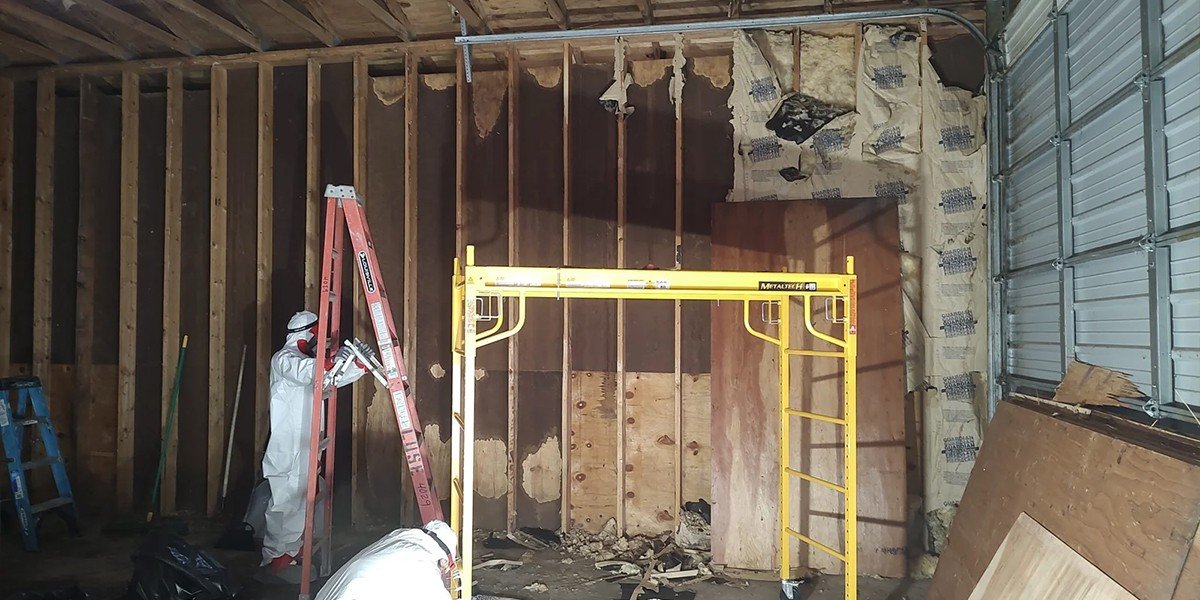
Property owners frequently choose interior demolition in Bridgeview when updating retail stores, offices, or residential units. Partitions, ceiling, flooring, or built-in fixtures are removed by contractors without disturbing structural elements.
Selective demolition enables the architects and builders to redesign spaces effectively. Crews can build an open and workable interior instead of reconstructing the whole building that can uphold the renovation objectives. The method also safeguards the neighboring buildings and the surrounding properties, thereby ensuring that there is safety throughout the project.
Safety, Permits, and Structural Awareness
Every demolition project is based on safety. Before undertaking any work, the contractors have to assess materials, check utilities, and examine building plans. Proper planning becomes essential during interior demolition in Bridgeview, IL, because older buildings often contain hidden electrical lines, plumbing networks, or structural reinforcements.
Everything may be very expensive to repair due to the removal of the wrong element. Permits are also needed at the local building authorities prior to commencing the demolition. Such permits affirm that the project conforms to municipal building codes and regulations as well as environmental regulations. The removal of walls is normally done by contractors, and structural assessments are often done. This measure will make sure the load-bearing systems are not destroyed in the process of demolition.
How Strategic Demolition Keeps Projects on Schedule
The demolition phase is very crucial in determining the construction schedules. An improperly designed demolition plan may hold up electricians, plumbers and framing workers. Careful planning during interior demolition in Bridgeview helps contractors maintain steady progress throughout the project. With a well-thought-out strategy, the demolition teams work, and all other trades can continue their work without any stop.
The demolition is also usually split into phases under the care of project managers. Crews can be able to remove non-supporting walls initially but leave the support systems intact until the inspections are done. This systematic system maintains the construction schedule in place and as expected.
Waste Management and Organized Site Preparation
The role of debris management in construction is larger than many individuals would anticipate. Drywall, wood framing, tile, and insulation can easily form work barriers at the site. Efficient debris handling becomes important during interior demolition in Bridgeview, IL. Before the disposal of the debris to the recognized disposal facilities, crews sort between the recyclable material and the general waste.
The recycling of construction materials assists in minimizing the negative effects on the environment, besides ensuring the orderliness of the job sites.
Cleared working zones enable the contractors to carry the equipment and materials with ease. At this phase, Rampage Demolition and Cleaning Services companies usually organize demolition and clean-up processes in a way that the place is left prepared to take the next step in construction.
Coordinating Contractors During Demolition Phases
Construction projects are done using several teams. Electricians, plumbers, HVAC technicians, framers, and others rely on a well-organized working environment.
Clear coordination becomes essential during interior demolition in Bridgeview. Project managers plan the phases of the demolition process in such a way that the contractors are informed when particular spaces are available. Electrical crews can make the wiring dead prior to the start of wall removal. Teams that do plumbing usually claim water lines before fixtures vanish.
Such a degree of coordination minimizes destruction of building systems and avoids unnecessary repairs.
Preparing the Space for the Next Stage of Construction
The renovation process commences with demolition. After eliminating undesirable contents, construction crews will make the structure ready to re-construct. Contractors performing interior demolition in Bridgeview, IL often expose framing, beams, and mechanical systems. This transparency enables the engineers to examine the actual state of the building.
Builders are then able to strengthen structural elements, divert utilities, and get the space ready to undergo the framing and finishing processes. The clean demolition makes all the actions that follow within the renovation process easy.
Conclusion
Planned demolition provides the basis for successful renovation. Planning, removal, and good treatment of wastes allow construction teams to proceed positively.
Rampage Demolition and Cleaning Services assists property owners and contractors by providing reliable demolition and cleaning services that help to keep the projects progressing effectively.
Frequently Asked Questions
Why do renovation projects begin with Interior demolition in Bridgeview?
Renovation projects often start with interior demolition in Bridgeview because contractors must remove outdated walls, flooring, and fixtures before redesigning the layout.
What permits are required for Interior demolition in Bridgeview, IL?
Local building departments usually require permits for interior demolition in Bridgeview, IL, to confirm compliance with construction regulations and safety standards.
How long does Interior demolition in Bridgeview usually take?
The duration of interior demolition in Bridgeview depends on building size, material type, and structural complexity.
Does Interior demolition in Bridgeview, IL affect structural stability?
Professional contractors performing interior demolition in Bridgeview, IL evaluate load-bearing components before removing any walls.
What materials are typically removed during Interior demolition in Bridgeview?
Most interior demolition in Bridgeview projects involves removing drywall, cabinets, flooring, ceiling systems, and non-structural partitions.
How is debris handled after Interior demolition in Bridgeview, IL?
Construction teams sort waste materials and transport debris from interior demolition in Bridgeview, IL, to approved recycling and disposal facilities.
What happens after Interior demolition in Bridgeview?
After interior demolition in Bridgeview, contractors inspect the structure and begin reconstruction activities such as framing, electrical work, and plumbing installation.
