

Table of Contents
ToggleA Guide to Safe Demolition and Remodeling Preparation
Remodeling often begins with a simple idea: replace an outdated kitchen, create a more open living area, or give a commercial space a fresh layout. However, before new cabinets, flooring, walls, or fixtures can go in, the property needs proper preparation. Old materials, unwanted structures, and construction debris can get in the way of the work ahead. A planned demolition process clears these obstacles, helps workers inspect the space, and gives the remodeling team a clean starting point. Understanding how removal, safety, and cleanup work together can help you plan your project with fewer delays and surprises.
Why is Demolition an Important First Step in Remodeling?
A remodeling project needs a clear and suitable work area. Old flooring, damaged drywall, outdated cabinets, and unused fixtures can limit access and make it harder to assess the property’s condition. Planned renovation demolition in Hickory Hills removes selected materials and prepares the space for repairs, upgrades, or a new design. It also gives contractors a chance to identify hidden problems before they install new materials.
Demolition does not always mean removing everything inside a room. Many remodeling projects need selective removal, where workers take out specific features while protecting the parts you want to keep. For example, a kitchen update may require cabinet and countertop removal without disturbing nearby flooring or walls. A clear scope helps everyone understand what stays, what goes, and how the crew will protect the surrounding areas.
How Does the Interior Demolition Process Work?
Interior demolition usually starts with a site inspection. The contractor reviews the rooms, materials, access points, and areas that need protection. The team also checks for visible plumbing, electrical lines, and structural elements that could affect the work. This step helps establish the removal sequence, equipment needs, safety measures, and cleanup plan.
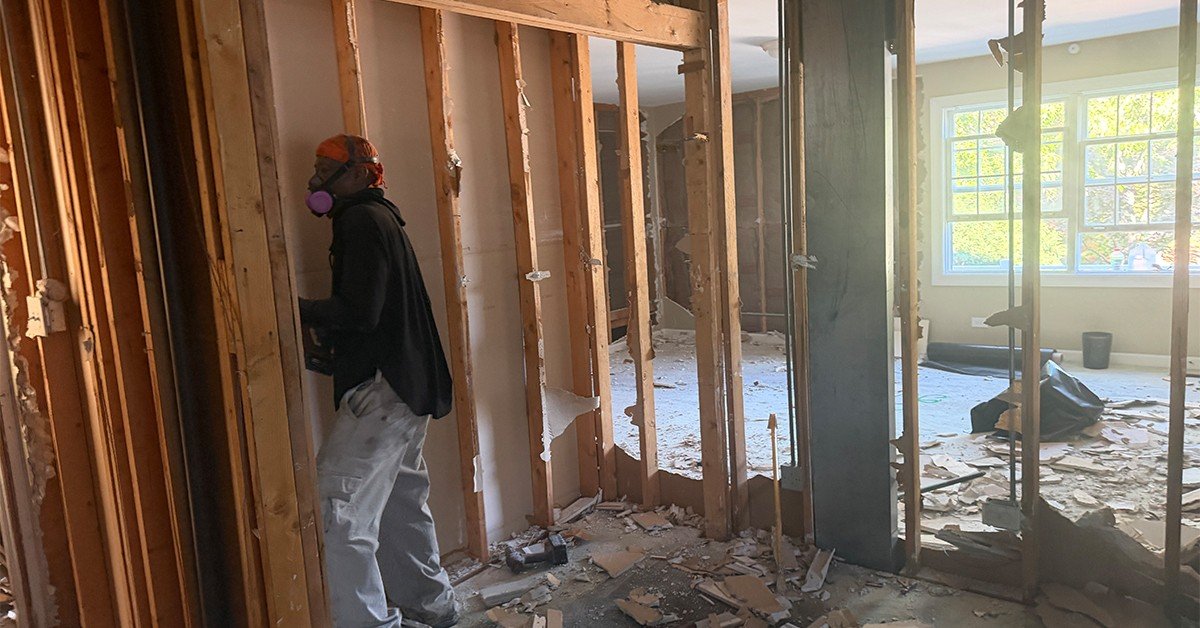
After planning, workers prepare the site and arrange utility disconnections where required. They may then remove fixtures, cabinets, flooring, drywall, tiles, or selected partitions in a controlled order. During renovation demolition in Hickory Hills, workers should watch for hidden wiring, damaged pipes, moisture, and other conditions that may not appear during the first inspection. If they discover a structural concern or a potentially hazardous material, they should stop the affected work and arrange the right assessment before proceeding.
How Should You Prepare a Property Before Demolition?
Property owners can make demolition easier by clearing personal belongings, furniture, decorations, and valuables from the work area. If large items cannot move, discuss suitable protection or storage arrangements before the crew arrives. Mark the rooms and surfaces that workers must leave untouched. This simple step helps prevent confusion when the work begins.
You should also share details about previous repairs, leaks, electrical issues, and known building damage. Ask whether you need to arrange utility shutoffs, parking access, building entry, or notices for nearby residents. Commercial property owners should check building rules for work hours, elevator use, loading areas, and waste movement. A little preparation can prevent avoidable interruptions once the tools come out.
What Safety Measures Should a Demolition Project Include?
Demolition can expose workers to dust, sharp fragments, falling materials, and hidden utilities. A safe work plan should identify these risks before removal begins. Workers need suitable protective equipment, such as safety glasses, gloves, sturdy footwear, and respiratory protection when conditions call for it. The crew should also limit access to active work areas to protect occupants, visitors, employees, and pets.
Older properties may contain materials that require special handling, including asbestos-containing products or lead-based paint. You should not assume that a material is safe based on its appearance. Arrange proper testing when the property’s age or condition raises concerns, and use qualified professionals for regulated hazardous-material work. These precautions help protect people and reduce the risk of costly project delays.
What are the Common Types of Interior Demolition Projects?
Interior demolition covers a wide range of remodeling needs. Homeowners may remove kitchen cabinets, bathroom fixtures, tile, flooring, drywall, or selected partitions. Commercial property owners may need to clear office interiors, retail spaces, reception areas, or tenant units before updating the layout. Each project requires a plan that considers the building, materials, and intended changes.
Selective demolition requires particular care because workers must remove chosen materials without damaging nearby features. Broader interior removal may involve several rooms or larger sections of a property. The contractor should explain the removal sequence and identify which surfaces, utilities, and structural elements need protection. This gives you a clearer picture of how the work will affect the rest of the property.
Rampage Demolition and Cleaning Services provides demolition and cleanup support for projects of different sizes. When you discuss your plans, explain the areas you want cleared, the materials involved, and any site restrictions. A coordinated approach to removal and cleanup can help prevent debris from becoming an obstacle for the remodeling crew. No job should feel too small or too large to plan carefully.
How Does Debris Removal Keep Remodeling on Track?
Demolition can produce drywall, wood, metal, tile, glass, old fixtures, and other waste. If these materials remain in the work area, they can block walkways, create trip hazards, and slow down the next stage. A planned debris removal process helps keep the property clear and makes it easier for workers to move tools and supplies. Where practical, crews may separate recyclable materials from waste that requires disposal.
Before work begins, ask how the contractor will collect, load, transport, and dispose of debris. Confirm whether hauling and disposal fees appear in the estimate. Some materials may require separate handling, so disclose what the project will generate. Clear arrangements help you avoid last-minute collection problems and give the remodeling team a cleaner space to work in.
What Should You Consider When Hiring a Demolition Contractor?
Start by checking the contractor’s insurance, relevant project experience, safety procedures, and written estimate. Ask who will coordinate permits, utility disconnections, debris hauling, and final cleanup. You should also confirm that the contractor understands the type of removal your property needs. A low estimate may leave out important tasks, so compare the full scope rather than the starting price.
For local projects, contact the appropriate building department to confirm whether your planned work requires permits or inspections. Ask the contractor to explain the schedule, payment terms, change-order process, and approach to unexpected discoveries. If the work involves structural changes or hazardous materials, confirm that the right qualified professionals will handle those tasks. A clear agreement helps you understand responsibilities before demolition starts.
Final Thoughts
A well-planned demolition project gives remodeling work a clear starting point. By defining the removal scope, preparing the property, following safety measures, and arranging debris disposal, you can reduce common obstacles and help keep the schedule on track.
Rampage Demolition and Cleaning Services can support your demolition and cleanup needs, from smaller interior projects to larger property preparation work. Discuss your goals and site conditions before work begins so you can move into the remodeling stage with a cleaner, more organized space.
Frequently Asked Questions
How does renovation demolition in Hickory Hills prepare a property for remodeling?
Removing outdated fixtures, flooring, drywall, and selected partitions gives remodeling crews a clear work area. Before scheduling renovation demolition in Hickory Hills, confirm the removal scope, safety plan, and debris arrangements. Rampage Demolition and Cleaning Services can help you plan the demolition and cleanup stages according to your property’s requirements.
What should you check when hiring a demolition company in Hickory Hills, IL?
Check the contractor’s insurance, relevant experience, written estimate, safety procedures, and cleanup arrangements. Before making a decision, ask whether a demolition company in Hickory Hills, IL clearly explains the work scope, project schedule, disposal costs, and responsibilities. Rampage Demolition and Cleaning Services can discuss these project requirements and clarify the details you should review before work begins.
Can renovation demolition in Hickory Hills include kitchen and bathroom removal?
Yes, interior demolition may involve removing cabinets, countertops, sinks, bathtubs, tiles, flooring, and selected drywall. When planning renovation demolition in Hickory Hills, identify which fixtures need removal and which surfaces must remain protected. Rampage Demolition and Cleaning Services can help you understand the removal and cleanup requirements for your remodeling plans.
How can you evaluate the safety practices of a demolition company in Hickory Hills, IL?
Ask how the crew controls dust, restricts access, protects nearby rooms, and handles sharp debris. A responsible demolition company in Hickory Hills, IL should also explain how workers identify utility risks and respond to potentially hazardous materials. Rampage Demolition and Cleaning Services can discuss the safety and site preparation details you should confirm before demolition starts.
Does renovation demolition in Hickory Hills support commercial remodeling projects?
Yes, commercial demolition may involve removing office partitions, retail fixtures, flooring, ceilings, and outdated reception areas. Before arranging renovation demolition in Hickory Hills, discuss building access, work hours, waste movement, and property management rules. Rampage Demolition and Cleaning Services can help you plan removal and cleanup around your commercial property’s requirements.
What should a demolition company in Hickory Hills, IL, include in its estimate?
A written estimate should explain removal tasks, labor, equipment, debris hauling, disposal fees, and cleanup responsibilities. When reviewing a demolition company in Hickory Hills, IL estimate, check for extra charges related to heavy materials, limited access, or unexpected work. Rampage Demolition and Cleaning Services can discuss the scope of your project and the cleanup details you should clarify before approving an estimate.
How should you prepare your property before renovation demolition?
Remove personal belongings, secure valuables, and mark the areas that workers must protect. Before scheduling renovation demolition in Hickory Hills, share details about previous repairs, leaks, utility lines, and known building concerns. Rampage Demolition and Cleaning Services can discuss access arrangements, site preparation, and debris removal to help you organize the work before it begins.
