

Table of Contents
ToggleHow to Schedule Interior Demolition?
A remodeling project often reaches a point when old materials must come out before new features can go in. You may want to replace kitchen cabinets, update a bathroom, install new flooring, or change the layout of an office. Scheduling demolition at the right time gives renovation crews a clear space to begin repairs and installations. It also helps you avoid delays, protect areas that will remain untouched, and plan waste removal before the work starts.
You should arrange interior demolition services in Naperville after you finalize your remodeling plans but before construction or installation begins. For example, a flooring contractor cannot install new flooring properly if damaged tiles or old carpet still cover the surface. Similarly, cabinet installers need a prepared kitchen before they can fit new units. Early scheduling also gives you time to review the work scope, discuss safety needs, and arrange access to the property.
How Does the Interior Demolition Process Work?
Interior demolition begins with a site inspection and a clear work plan. The contractor reviews the rooms, identifies the materials that need removal, and checks which surfaces or features must remain. The team also considers visible plumbing, electrical lines, and structural components before choosing a removal sequence. This initial review helps prevent confusion and reduces the risk of accidental damage.
After planning, workers arrange necessary utility disconnections and begin removing the agreed materials. These may include cabinets, drywall, flooring, tiles, fixtures, or selected partitions. During interior demolition in Naperville, IL, workers may uncover hidden problems such as damaged pipes, outdated wiring, moisture, or unexpected structural conditions. If they discover a concern, they should pause the affected work and arrange an appropriate inspection before continuing.
How Should You Prepare Your Property Before Demolition?
Good preparation protects your belongings and gives workers enough room to complete their tasks. Start by removing furniture, decorations, electronics, valuables, and personal items from the work area. If you cannot move large items, discuss suitable protection or storage arrangements before the scheduled date. You should also identify rooms, fixtures, and surfaces that workers must leave untouched.
Share important building details with the contractor before work begins. Mention previous renovations, plumbing leaks, electrical problems, and areas with known damage. Ask whether you need to arrange utility shutoffs, parking, building access, or notices for neighbors. If you live in a multi-unit building, check management rules about work hours, elevator use, and material transport. These simple steps can prevent avoidable interruptions.
What Safety Measures Should a Demolition Project Include?
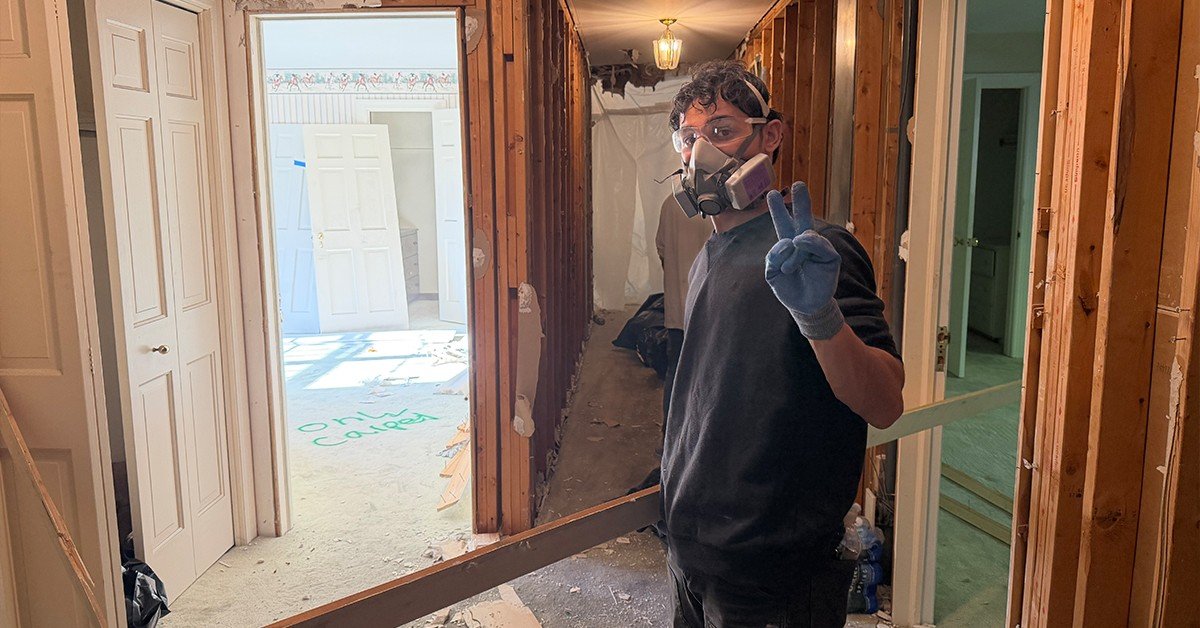
Demolition can expose workers and occupants to dust, sharp materials, falling debris, and hidden utilities. A safe project starts with a site assessment and a plan to control these risks. Workers should use suitable protective equipment, including safety glasses, gloves, sturdy footwear, and respiratory protection when conditions require it. The crew should also restrict access to active work areas so children, pets, visitors, and employees stay away from potential hazards.
Older properties may contain materials that need special handling, including asbestos-containing products or lead-based paint. Never assume a material is harmless because it looks ordinary. Arrange appropriate testing when the building’s age or condition raises concerns, and use qualified professionals for regulated hazardous-material work. You should also ask how the crew will manage dust, ventilation, and cleanup throughout the project. These precautions help protect people and reduce the risk of costly interruptions.
Which Remodeling Projects Require Interior Demolition?
Many home and commercial renovations need some level of interior removal. Kitchen remodeling may involve removing old cabinets, countertops, backsplashes, flooring, and outdated fixtures. Bathroom projects may require the removal of tiles, tubs, vanities, drywall, and selected plumbing fixtures. Flooring upgrades can also require workers to remove carpet, laminate, hardwood, or damaged subfloor materials before installers prepare the surface.
Commercial properties may need office partitions, reception counters, ceiling materials, flooring, or outdated fixtures removed before a new layout takes shape. Some projects require selective demolition, where workers remove specific features while protecting the rest of the space. Other renovations may involve clearing several rooms or an entire interior. The scope should match your renovation plans, building conditions, and the materials involved.
Rampage Demolition & Cleaning Services supports property owners with demolition and cleanup needs for projects of different sizes. Coordinating removal and cleanup can help you prepare the property without arranging every task separately. Before work starts, discuss the materials, access conditions, removal limits, and expected schedule. Clear communication helps everyone understand the work and prepare for the next stage.
Why Does Debris Removal Matter After Demolition?
Demolition creates a mix of materials, including drywall, wood, metal, tile, glass, flooring, cabinets, and old fixtures. Leaving these items around the property can block walkways, create trip hazards, and delay the next stage of renovation. A planned debris removal process keeps the site organized and makes it easier for workers to inspect exposed surfaces. Where practical, crews can separate recyclable materials from waste that requires disposal.
Before hiring a cleanup service, ask which materials it accepts and whether the estimate includes loading, hauling, disposal fees, and final cleanup. Some materials may require separate handling, so explain what the project will produce. You should also ask whether the crew will remove debris as the work progresses or collect everything at the end. Clear arrangements help you manage costs and keep the renovation schedule on track.
What Should You Consider When Hiring a Demolition Contractor?
Start by reviewing the contractor’s insurance, relevant experience, safety procedures, and written estimate. Ask who will handle permits, utility coordination, debris hauling, and final cleanup. You should also confirm whether the crew has experience with the materials and building conditions involved in your renovation. A low estimate may leave out important tasks, so compare the full scope instead of focusing only on the initial price.
For local projects, contact the relevant Naperville building department to confirm whether your planned work needs permits or inspections. Ask the contractor to explain the schedule, payment terms, change-order process, and steps for handling unexpected discoveries. A written agreement should list the work included, materials to be removed, cleanup responsibilities, and possible additional charges. These checks help you make an informed decision and reduce confusion once the project begins.
Final Thoughts
Hiring a demolition crew at the right stage can make remodeling more organized and reduce avoidable delays. Start with a clear renovation plan, prepare the property, review safety needs, and confirm how the crew will handle debris. These steps help you protect your space and give renovation workers a clean area for the next stage.
Rampage Demolition & Cleaning Services can support your project with coordinated demolition and cleanup solutions, whether you need to clear one room or prepare a larger property. Discuss your project scope and site conditions early so demolition and cleanup do not stand in the way of your renovation goals.
Frequently Asked Questions
When should you hire interior demolition services in Naperville?
You should schedule demolition after finalizing your remodeling plan and before installing new materials. At this stage, interior demolition services in Naperville can help clear outdated fixtures, flooring, cabinets, and damaged drywall so contractors can prepare the space. Rampage Demolition & Cleaning Services can discuss your removal and cleanup requirements before work begins.
What does interior demolition in Naperville, IL, usually include?
A typical project may involve removing cabinets, drywall, flooring, tiles, bathroom fixtures, and selected partitions. The scope of interior demolition in Naperville, IL depends on your renovation plans, building condition, and materials that need removal. Rampage Demolition & Cleaning Services can help clarify the removal and cleanup tasks that your project may require.
How can interior demolition services in Naperville help with kitchen remodeling?
Kitchen demolition may involve removing old cabinets, countertops, backsplashes, flooring, and selected fixtures. Before scheduling interior demolition services in Naperville, identify the items you want removed and confirm whether plumbing or electrical disconnections require qualified tradespeople. Rampage Demolition & Cleaning Services can discuss the work area, removal requirements, and cleanup arrangements before the renovation begins.
Do you need a permit for interior demolition in Naperville, IL?
Permit requirements depend on the type and extent of the demolition work. Before starting interior demolition in Naperville, IL, contact the local building department to check whether your project needs permits or inspections, especially if it affects structural elements or building systems. Rampage Demolition & Cleaning Services can help you identify planning details to discuss before scheduling the work.
How should you prepare for interior demolition services in Naperville?
Remove furniture, valuables, decorations, and personal belongings from the work area before the crew arrives. When arranging interior demolition services in Naperville, share details about utility lines, previous repairs, water damage, and surfaces that need protection. Rampage Demolition & Cleaning Services can discuss access, removal, and cleanup needs so you can prepare the property properly.
How is debris removed during interior demolition in Naperville, IL?
Demolition crews collect materials such as drywall, wood, metal, tile, flooring, and old fixtures during or after removal. For interior demolition in Naperville, IL, ask whether the estimate includes loading, hauling, disposal fees, recycling, and final cleanup. Rampage Demolition & Cleaning Services can help clarify which cleanup tasks your project requires and what you should confirm before work begins.
What should you check before hiring interior demolition services in Naperville?
Review the contractor’s insurance, relevant experience, safety procedures, written estimate, and debris removal plan. Before choosing interior demolition services in Naperville, confirm the work scope, project timeline, permit responsibilities, and process for handling unexpected conditions. Rampage Demolition & Cleaning Services can discuss your project requirements and help you understand the cleanup arrangements before you make a decision.
